

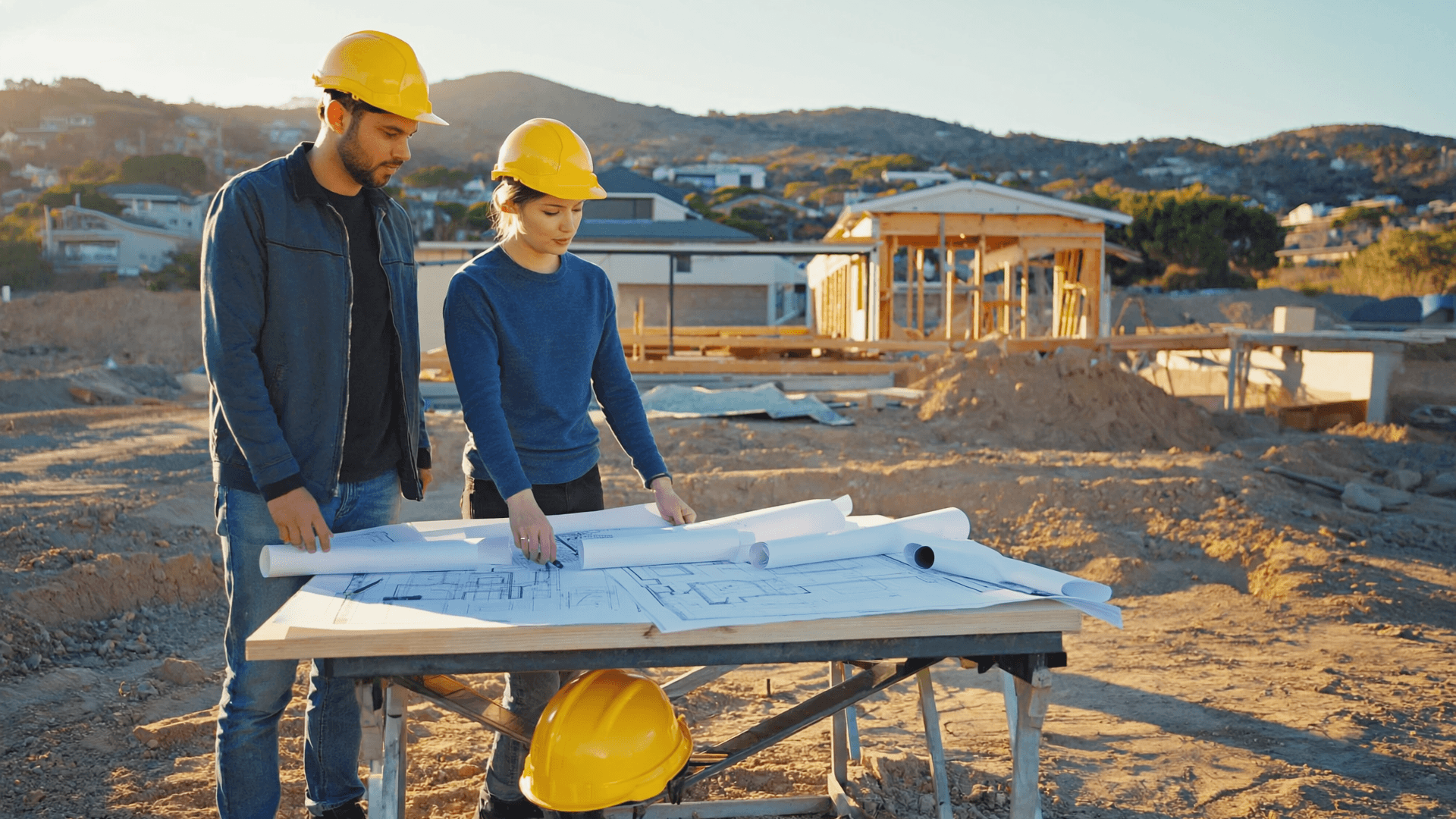
Architecture
Choosing the Right Architect for Your Project
15 February 2026 · 5 min read
Choosing the Right Architect for Your Project
Hiring an architect is one of the biggest decisions you will make on your build. Get it right and the entire project flows, from DA approval through to handover. Get it wrong and you are looking at months of wasted time, budget blowouts, and a design that never quite feels like yours.
We see it constantly. Homeowners who chose their architect based on a flashy Instagram portfolio, only to discover mid-project that their designer has never worked with their council, has no idea how to manage a builder, or quoted fees that quietly doubled once variations started rolling in.
This guide is what we wish every Sydney homeowner read before signing a fee agreement.
Architect vs Building Designer: Know What You Are Paying For
Let's start with a distinction most people miss entirely.
In NSW, the title "architect" is legally protected. To use it, you need a five-year university degree, a minimum of three years supervised professional experience, and to pass the Architects Accreditation Council examination. You must be registered with the Architects Registration Board of NSW (ARB NSW) and carry mandatory professional indemnity insurance.
Building designers? None of that applies. There is no mandatory registration for building designers in NSW, no regulated minimum qualification, and no requirement for PI insurance. That does not mean every building designer is bad; some are excellent. But it does mean you have far less consumer protection if something goes wrong.
Building designers typically charge 30 to 50 per cent less than registered architects. That price gap is real, and for straightforward projects it can make sense. But for anything involving complex sites, heritage overlays, council negotiations, or multi-storey construction, the cost of getting it wrong far outweighs the savings on fees.
Our advice: Check the ARB NSW register before you engage anyone calling themselves an architect. It takes 30 seconds.
What Architects Actually Cost in Sydney
Let's talk numbers, because vague fee conversations are one of the biggest sources of frustration in residential projects.
Architect fees in Sydney typically run between 5 and 12 per cent of total construction cost. The percentage varies with project scale. Smaller projects like renovations, alterations and granny flats tend to sit at the higher end, around 8 to 12 per cent, because the design complexity relative to construction value is disproportionately high. Medium-scale projects in the $500,000 to $2 million range generally land between 6 and 8 per cent.
On an hourly basis, you are looking at $150 to $350 or more depending on the architect's experience and the firm's overhead structure.
Here is the thing most people miss: a good architect will save you multiples of their fee. Budget blowouts of 15 to 25 per cent over initial estimates are depressingly common in residential construction, and they almost always stem from inadequate documentation, poor builder selection, or designs that were never properly costed. A rigorous architect addresses all three.
How to Shortlist: The AIA Recommends Interviewing 2-3 Minimum
The Australian Institute of Architects recommends interviewing at least two to three architects before making your decision. We agree, and we would add that the interview process itself tells you a lot.
Green Flags
- Transparent fee structure. They explain exactly what is included in each project phase, what triggers additional fees, and how variations are handled. No surprises.
- Council-specific experience. They have worked with your local council before and can speak to its particular requirements. This matters more than most people realise. Inner West and Eastern Suburbs councils, for example, have noticeably stricter design requirements than many other Sydney LGAs.
- Thorough briefing process. They spend serious time understanding your needs before proposing solutions. An architect who jumps straight to design concepts in the first meeting is not listening hard enough.
- Encourages independent cost checks. They actively suggest getting a quantity surveyor involved early, rather than treating budget as something to worry about later.
Red Flags
- Vague or evasive on fees. If they cannot give you a clear fee structure upfront, that lack of clarity will persist throughout the project.
- No professional indemnity insurance. This is mandatory for registered architects. If they cannot produce a certificate of currency, walk away.
- Promises of guaranteed DA approval. Nobody can guarantee DA approval. Sydney's rejection rates typically sit between 5 and 15 per cent depending on the council, and anyone promising certainty is either naive or dishonest.
- Unfamiliarity with your council. Every council interprets planning controls differently. An architect who has never lodged with your council will spend your money learning what an experienced local practitioner already knows.
The Questions You Should Actually Ask
Forget "what's your design philosophy?" That is a conversation for architecture school. Here is what matters when you are about to spend serious money:
-
How many projects have you completed with my council? Specificity matters. "We've worked across Sydney" is not the same as "We've done twelve DAs with Inner West Council in the last three years."
-
What is your DA approval track record? A good architect will know this number and share it willingly.
-
How do you manage construction cost during design? The answer should involve quantity surveyors, cost plans at key milestones, and a willingness to redesign if the numbers do not work.
-
Can I speak with a recent client? Not a testimonial on a website. An actual phone conversation with someone who has been through the full process.
-
What happens when things go wrong on site? Because they will. The answer tells you whether this architect treats contract administration as a core service or an afterthought.
Consider the Practice Model
Not all architecture practices work the same way. Some try to do everything in-house with salaried generalists, while others operate a design consultant model that assembles specialist teams for each project. Both can work, but the model affects your fees, the expertise on your project, and how decisions get made. It is worth understanding the difference before you commit.
Process Over Portfolio
Most homeowners start their architect search by scrolling through portfolios looking for a style match. It is an intuitive approach, but it can be deeply misleading.
Architecture is a process, not a style. The best residential architects do not impose a signature look. They listen, analyse the site, understand the constraints, and design a response that is specific to that project. A portfolio shows you what an architect has done for other people on other sites. Your project will be different.
What you actually want to evaluate is process rigour. How does the architect move from brief to concept to documentation to construction? How do they handle the inevitable curveballs like council conditions, builder queries and budget pressure? How do they communicate when things get complicated?
The strongest outcomes come from genuine collaboration. Look for someone who asks questions before offering answers, who treats your budget as a design constraint rather than an inconvenience, and who makes the entire process feel structured but human.
The Bottom Line
Choosing an architect is not like choosing a tradesperson. You are entering a relationship that will last months or years, through one of the most significant financial commitments of your life. Take the time to do it properly.
Check credentials. Ask hard questions about fees. Demand council-specific experience. And pay attention to how the conversation feels, because that dynamic will define your entire project experience.
Before you start any project, it also pays to understand Sydney's planning regulations. The council that governs your site has a dramatic impact on timelines, and the right architect will factor that in from day one.
If you are planning a residential project in Sydney and want to understand how we approach the process at Yaxley Studio, we are always happy to have a straightforward conversation about your site, your brief, and whether we are the right fit.
Start Your Project
Have a project in mind? Tell us about it and we'll get back to you within 24 hours.
Let's Talk