

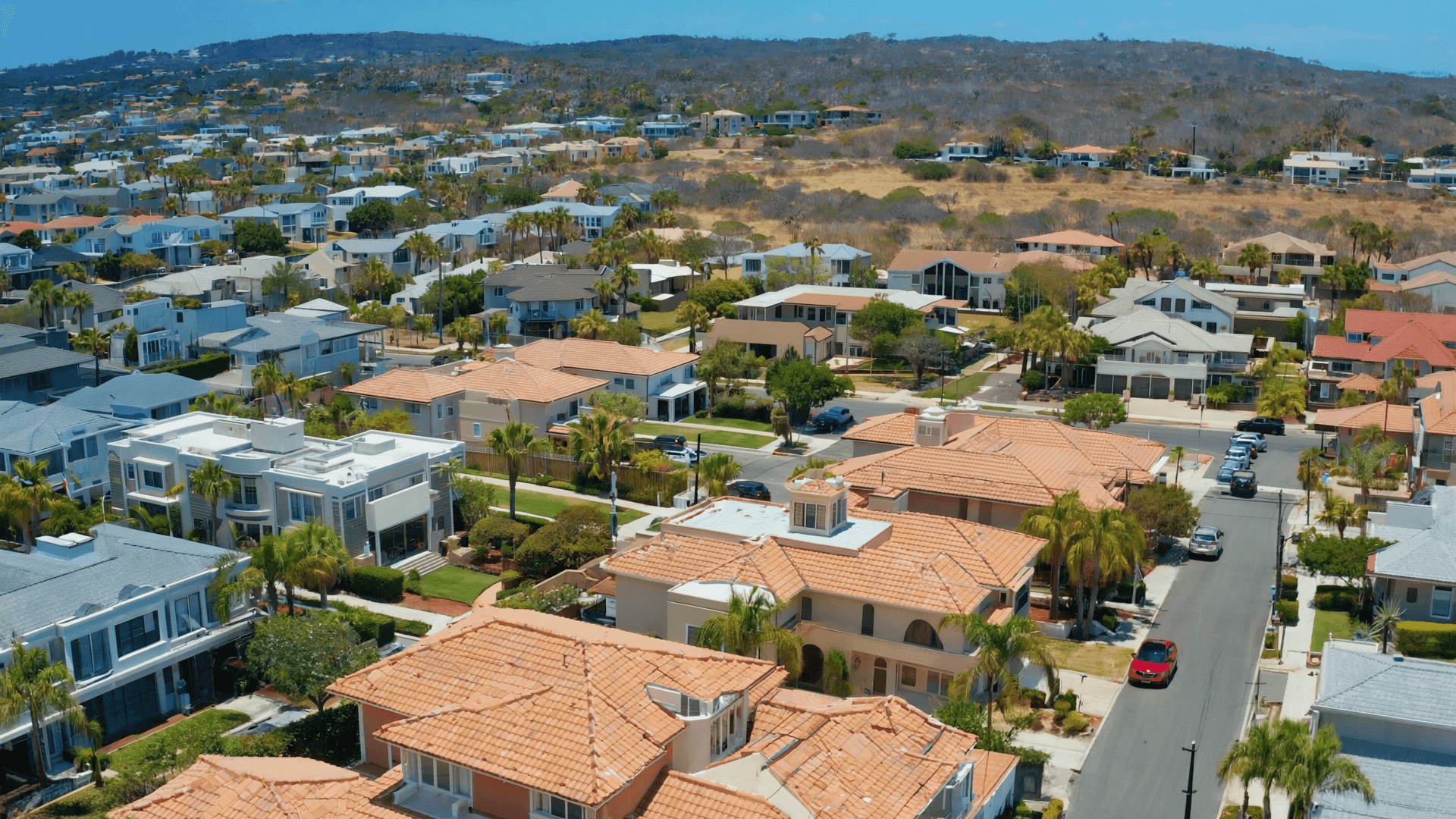
Planning
Understanding Planning Regulations in Sydney
20 February 2026 · 6 min read
Understanding Planning Regulations in Sydney
Every residential project in Sydney lives or dies in the planning system. It does not matter how good the design is. If you misread the controls, underestimate the process, or lodge a half-baked application, you will burn time and money before a single brick is laid.
We have guided dozens of projects through Development Applications across Greater Sydney councils. Some sailed through in under 60 days. Others inherited messes from previous consultants that took months to untangle. The difference almost always comes down to how well the planning framework was understood from day one.
This is the guide we give our clients before we start any project together.
The Planning Instruments You Need to Know
Sydney's planning framework operates on three tiers, and understanding the hierarchy between them is critical.
Local Environmental Plans (LEPs)
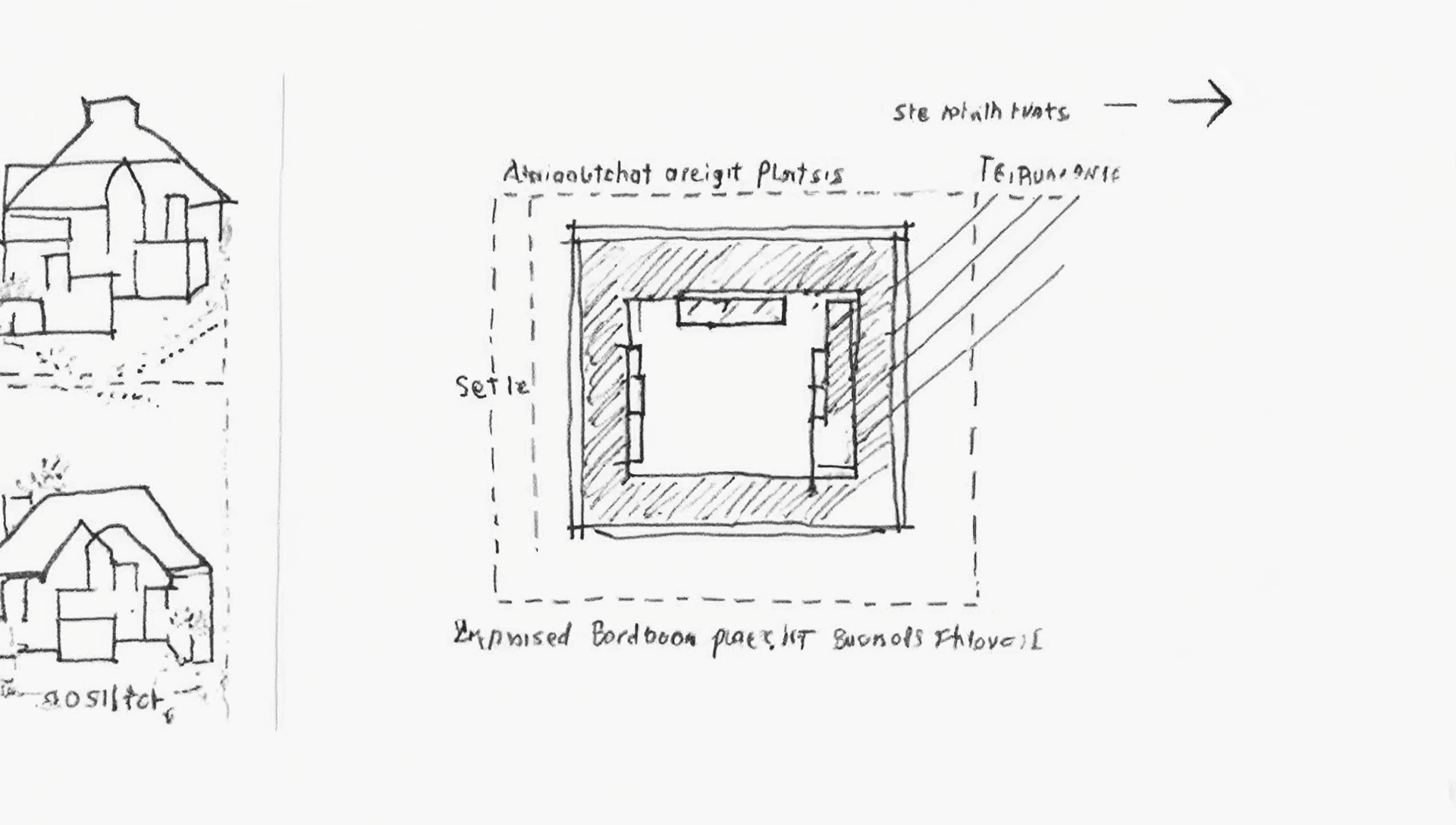
The LEP is the law. It sets the zoning for your site, which dictates what you can and cannot build. It also establishes key numerical controls: maximum building height (typically 9m in residential zones, which gives you two to three storeys), floor space ratio (FSR), minimum lot sizes, and heritage listings. FSR is the ratio of total floor area to site area, so an FSR of 0.5:1 on a 600sqm block means you can build up to 300sqm of floor space.
LEP controls are statutory. You cannot simply argue your way around them.
Development Control Plans (DCPs)
DCPs sit beneath the LEP and provide detailed, fine-grained guidance on setbacks, landscaping percentages, parking rates, privacy controls and solar access requirements. Here is the part most people miss: DCPs are advisory, not mandatory. Section 3.42 of the Environmental Planning and Assessment Act allows flexibility where an alternative solution demonstrably achieves the objectives of the LEP. This is where skilled architectural design makes a material difference. A rigid reading of the DCP can kill a good project. A creative but defensible response to it can unlock outcomes that seem impossible on first reading.
State Environmental Planning Policies (SEPPs)
SEPPs are state-level instruments that override LEPs where they apply. Two recent SEPPs have fundamentally changed the game for residential development in Sydney.
The Low and Mid-Rise Housing Policy, which commenced in July 2024, now permits dual occupancies as complying development in R2 residential zones. That is a significant shift, meaning projects that previously required a full DA can now proceed through a faster, code-assessed pathway.
The Transport Oriented Development (TOD) SEPP has introduced modified planning standards around key transport nodes, increasing density allowances and altering height and FSR controls near stations.
And then there is the Planning System Reforms Act 2025, the most significant overhaul of the NSW planning system in a generation. Its central principle is proportionality: matching the level of assessment to the scale and impact of the proposal. The practical effects are still filtering through councils, but the direction is clear: simpler projects should get simpler approvals.
The Six Stages of a Development Application
The DA process is not a single event. It unfolds across six distinct stages, and understanding each one prevents nasty surprises.
1. Pre-Lodgement. This is the stage most people skip and the one that matters most. Research consistently shows that applicants who invest in pre-DA consultation with council achieve faster determinations and higher approval rates. At Yaxley Studio, we run pre-lodgement meetings on every project where they are available. You learn what the assessing officer actually cares about, which issues will attract scrutiny, and where there is room to negotiate. It costs a fraction of what a redesign costs later.
2. Lodgement. All DAs in NSW must now be submitted online through the NSW Planning Portal. The core documents include architectural drawings, a Statement of Environmental Effects (SEE), and supporting technical reports such as stormwater, shadow analysis, BASIX, surveyor's report and others depending on the site. The SEE is the critical document. It is your argument for why the proposal should be approved. A weak SEE invites rejection. DA fees are scaled to project cost: applications up to $5,000 in value attract a $71 base fee, while projects valued between $5,001 and $250,000 incur $110 plus $4.20 per $1,000 above $5,000.
3. Assessment. Council reviews the application against the LEP, DCP, and any applicable SEPPs. They may also refer it to internal specialists such as heritage advisors, traffic engineers and tree officers, and notify neighbours. The official benchmark is 40 to 60 days for straightforward applications, but actual performance varies enormously.
4. Determination. Council either approves (usually with conditions), defers, or refuses the application. If refused, you can appeal to the Land and Environment Court within 40 days, or after 6 months if council has not made a determination (deemed refusal).
5. Construction Certificate. Before construction begins, you need a CC confirming the detailed construction drawings comply with the Building Code of Australia and the DA consent conditions. This can be issued by council or a private certifier, and most of our clients use private certifiers for speed.
6. Occupation Certificate. Issued at project completion, confirming the building is safe and suitable for occupation.
Council Performance: The Lottery Nobody Talks About
Here is something that should concern every property owner in Sydney: the council that happens to govern your site has a dramatic impact on how long your DA takes.
NSW publishes council performance data, and the spread is staggering. The fastest councils in the state determine applications in as little as 37 days. The slowest push beyond 158 days, which is over five months for a single determination. Within Greater Sydney, the variation is just as stark. North Sydney Council averages around 76 days. Cumberland sits at 97 days. Central Coast blows out to 138 days.
Same state. Same legislation. Same planning portal. Wildly different outcomes.
This is not something you can control, but it is something you should plan for. We factor council-specific timelines into every project programme we build, because a client who expects a 60-day turnaround from a council that averages 130 days is going to have a very frustrating experience.
Why Applications Get Rejected
In our experience, the most common reasons for DA refusal or extended assessment are predictable and preventable:
- Inadequate stormwater management. Councils are increasingly rigorous on flooding and drainage. If your stormwater plan is an afterthought, expect requests for additional information at best, and refusal at worst.
- Insufficient documentation. Missing reports, incomplete drawings, or a vague SEE signal to the assessing officer that the applicant has not done their homework.
- Non-compliance with heritage controls. If your site is heritage-listed or in a heritage conservation area, the design response needs to be carefully considered and thoroughly justified.
- Setback and boundary violations. These are straightforward numerical checks. Getting them wrong suggests carelessness, and it makes council sceptical about everything else in the application.
Every one of these issues can be resolved before lodgement if you invest the time in pre-DA analysis and proper documentation. This is one of the key reasons choosing the right architect matters so much — council-specific experience is the difference between a smooth approval and months of back-and-forth.
How We Approach Planning at Yaxley Studio
We treat the planning framework as a design tool, not an obstacle. Before we sketch a single line, we pull the LEP maps, read the DCP, check for applicable SEPPs, review any recent DA decisions on the street, and assess council's current performance and priorities.
That upfront work shapes the design brief. It means the concept we present to you is not aspirational fiction but a buildable, approvable proposition grounded in what the planning controls actually allow and where they offer flexibility.
When we lodge, the application is complete, the SEE makes a clear case, and the supporting documentation is thorough. That does not guarantee approval, but it dramatically reduces the risk of delays, requests for additional information, and outright refusal.
Our design consultant model means we pair you with specialists who know your local council's planning requirements inside out — not generalists learning on your dime.
If you are considering a residential project in Sydney and want to understand what is actually possible on your site, get in touch. A planning-led conversation at the start is worth more than a redesign at the end.
Applying this to rooftop additions: How to get a DA approved for a rooftop extension in Sydney. Pre-purchase / pre-design evidence: NSW planning check for renovation feasibility.
Start Your Project
Have a project in mind? Tell us about it and we'll get back to you within 24 hours.
Let's Talk