

Portfolio CV · Mixed-Use — Residential / Retail / Commercial
55 Grafton Street — Bondi Junction
Category
Mixed-Use — Residential / Retail / Commercial
Location
47–55 Grafton Street, Bondi Junction NSW
Size
$60m (estimated)
Year
2016
Portfolio CV: Noel Yaxley worked on this project as Architect at FJMT Studio. It is shown as part of his individual project experience, not as a Yaxley Studio project.
The Project
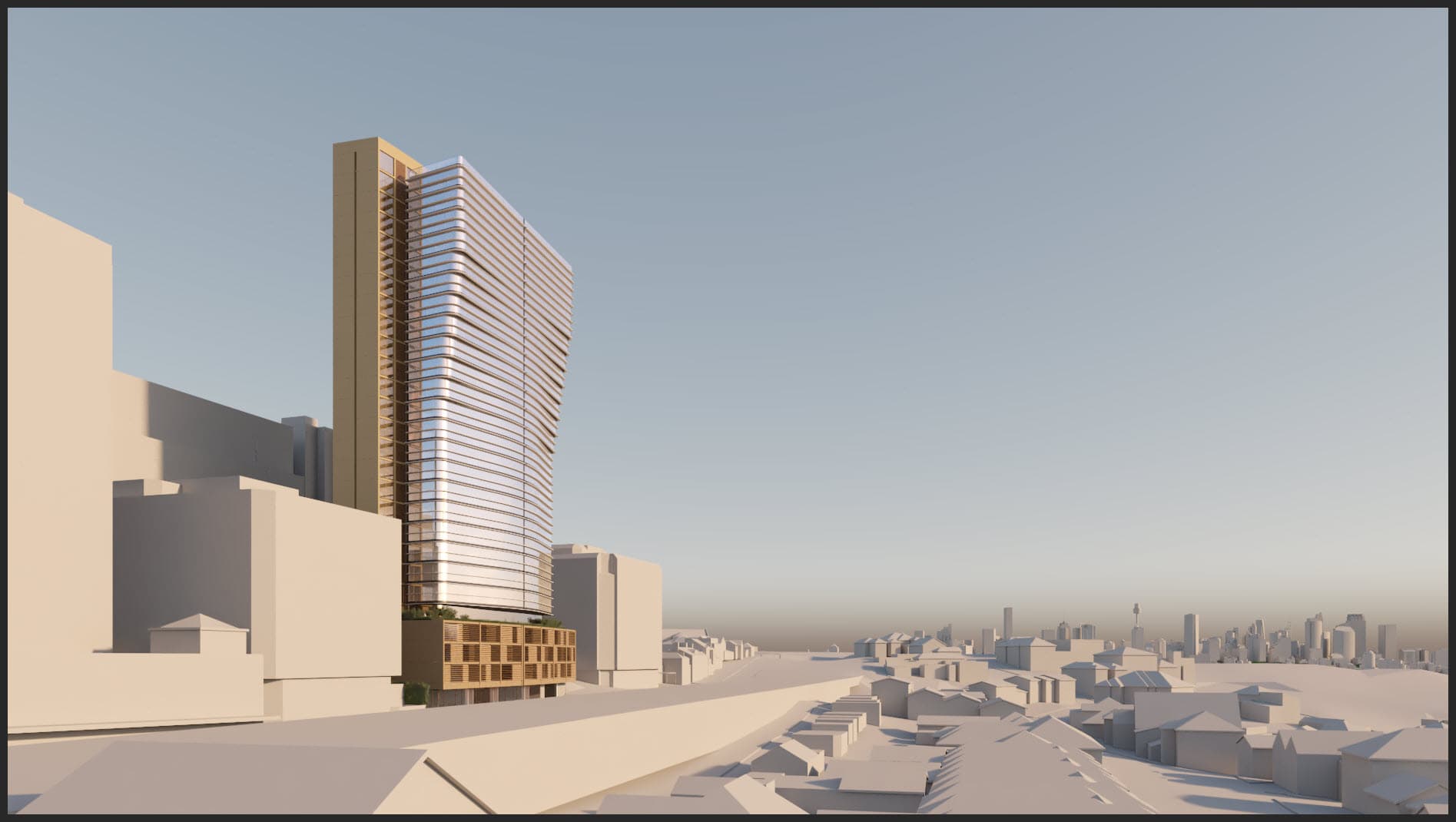
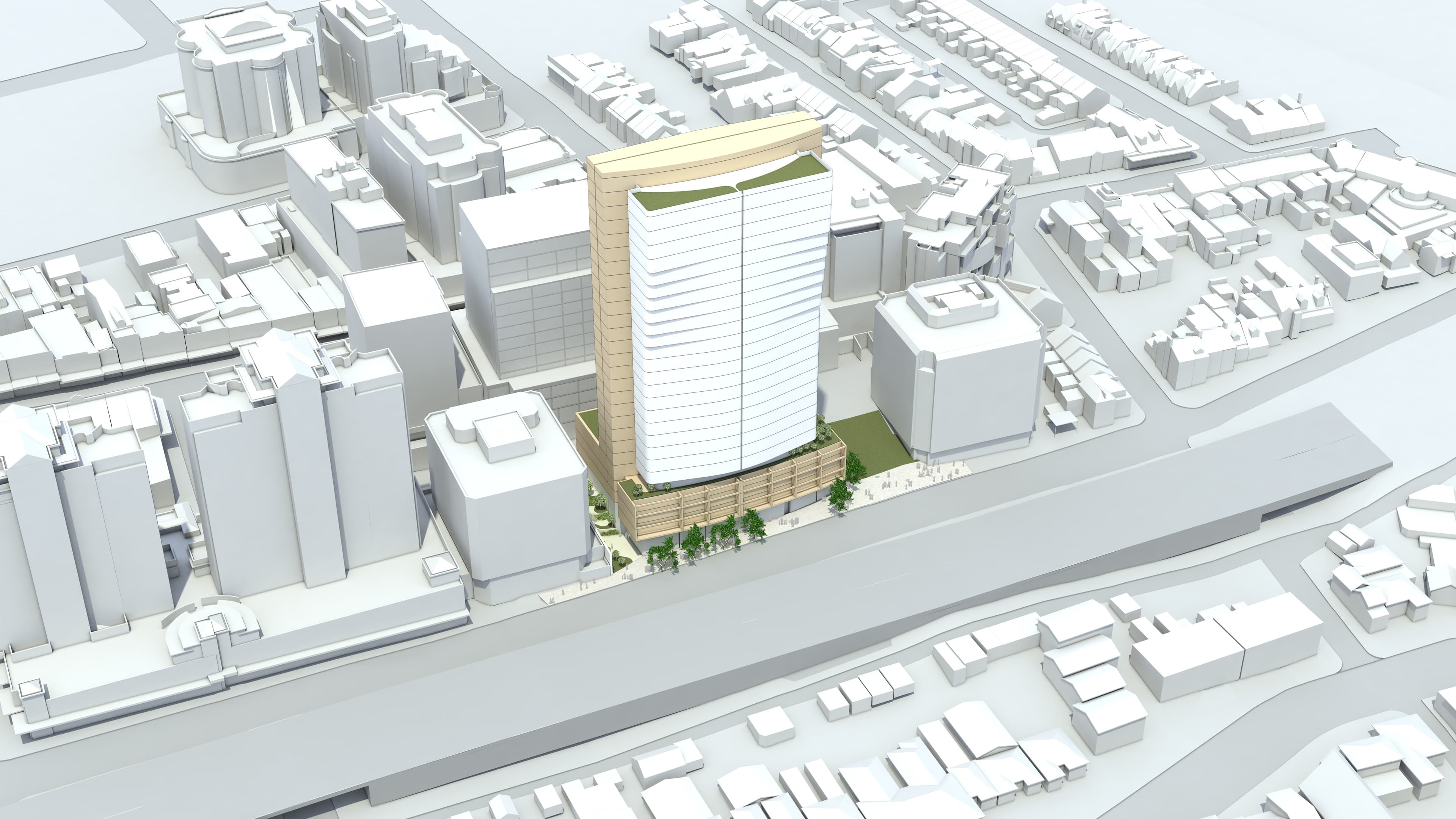
55 Grafton Street is a mixed-use residential tower site in Bondi Junction for which FJMT competed in a design excellence competition. The site, then occupied by an eight-storey building slated for demolition, sits within one of Sydney's most significant eastern suburbs centres, adjacent to major retail and transport infrastructure. The client, Coonara Developments, wanted a high-density residential tower with activated retail at the ground plane. The competition was ultimately won by Koichi Takada Architects, and the project has since progressed to construction.
The Challenge
Designing a high-rise residential building in this location meant reconciling the client's yield expectations with Waverley Council's demanding urban design standards. The LEP and DCP controls governed building height, view corridor protection, overshadowing, and street-level activation. The site's proximity to the Bondi Junction transport interchange supported the case for density, but the surrounding residential fabric to the south and east required careful management of visual and environmental impacts.
My Approach
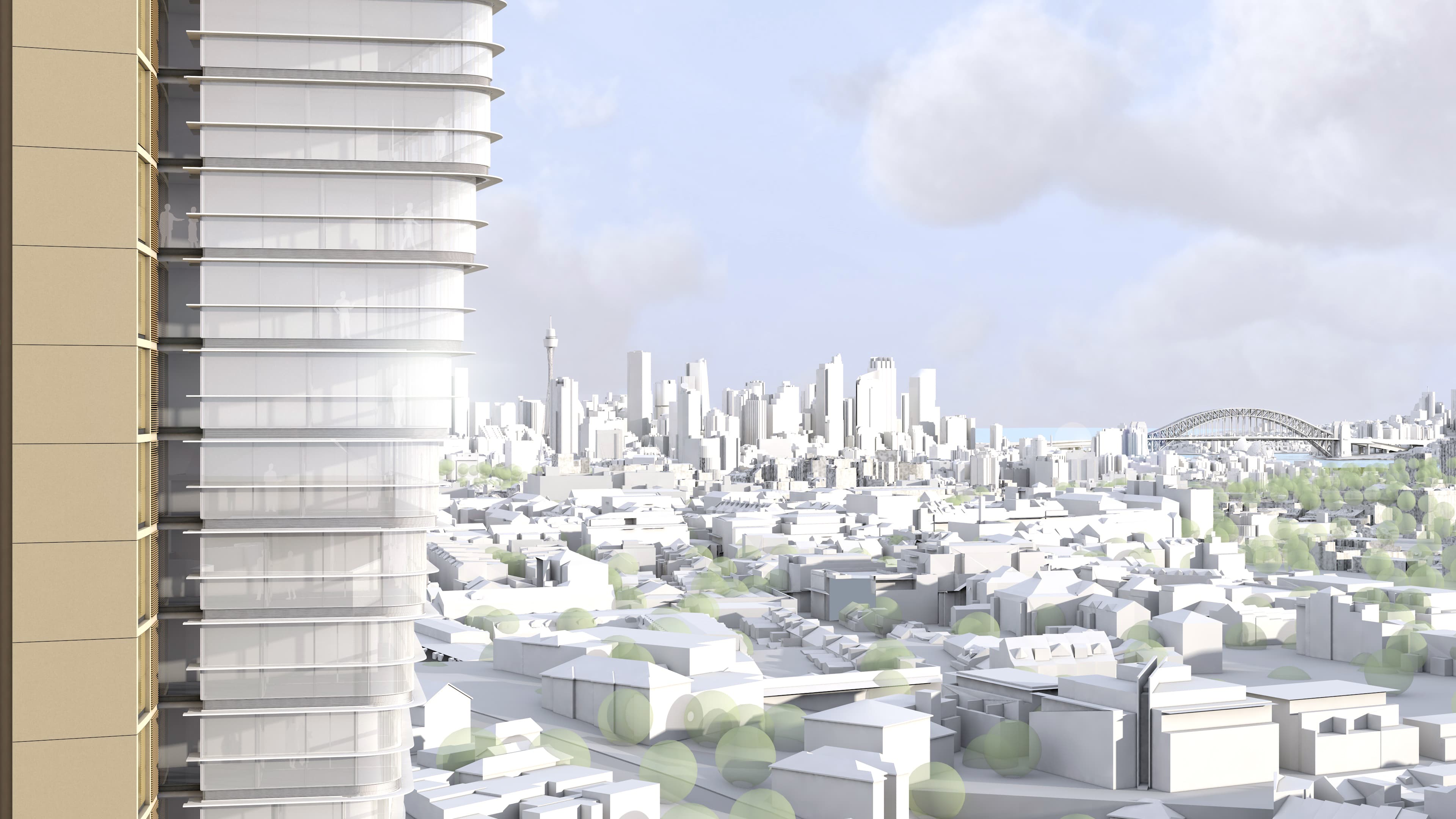
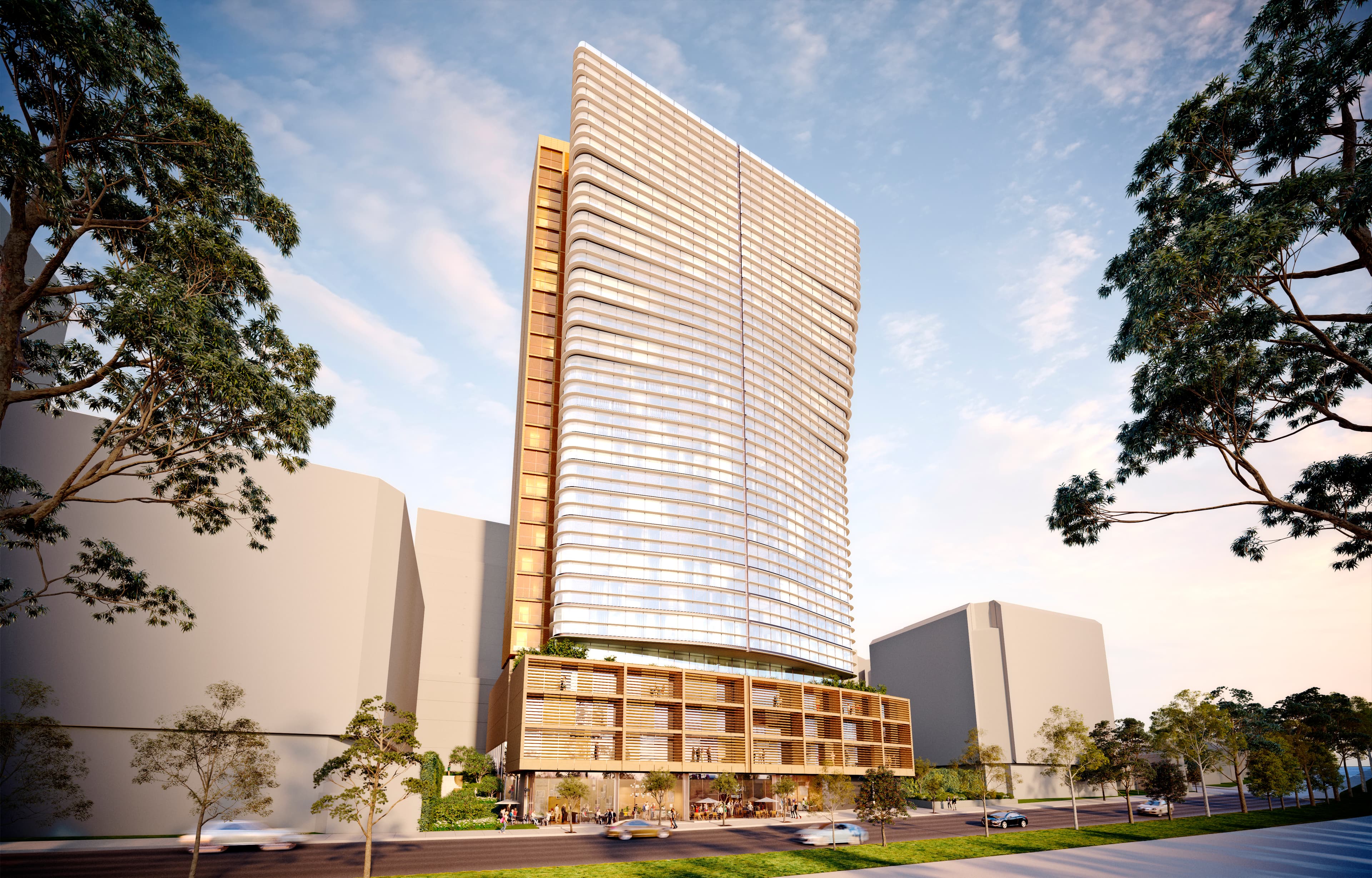
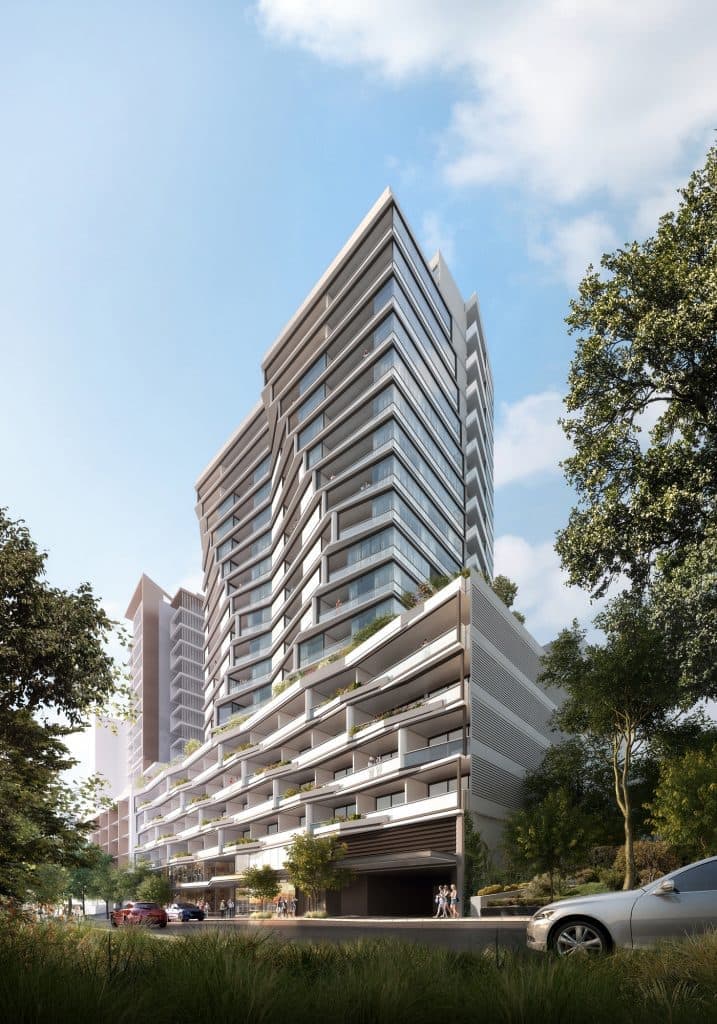
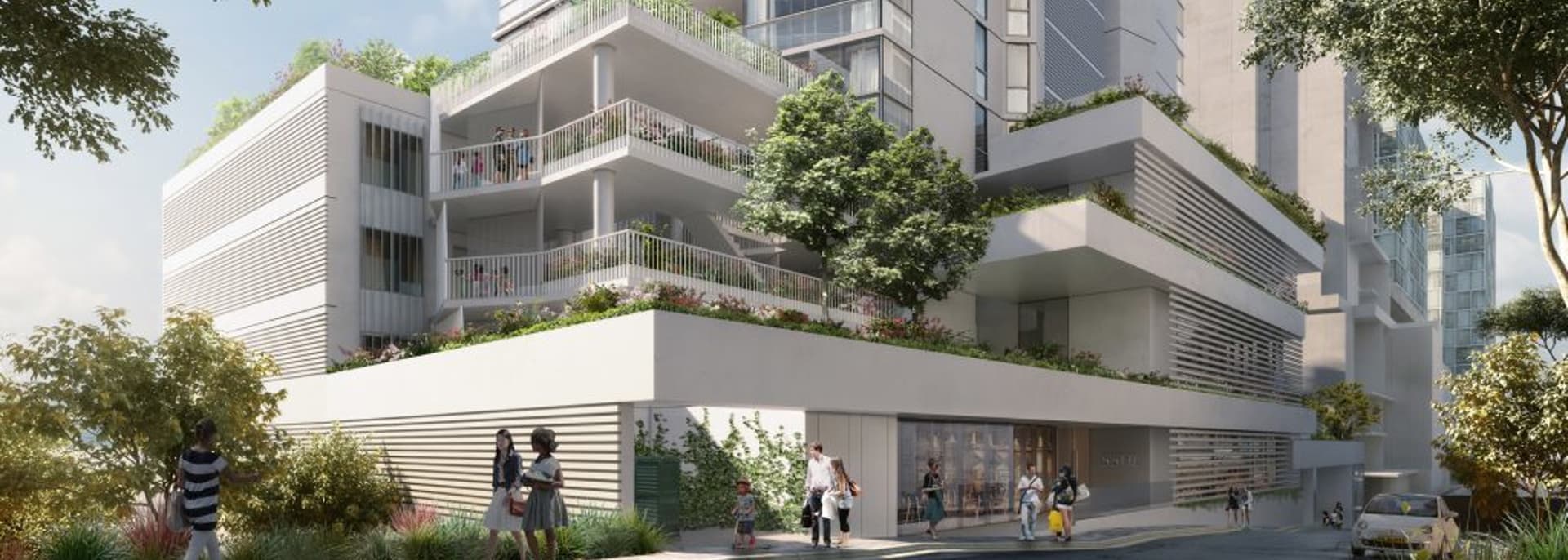
I worked as Project Architect on FJMT's competition entry, starting with a thorough analysis of the planning controls and site constraints. We proposed a sculpted tower rising above a timber-clad podium with active retail frontages and communal amenity spaces. The tower's curved glass facade was articulated with horizontal sun-shading that gave the form a layered, dynamic quality, while the podium levels stepped back to create landscaped terraces that eased the scale transition to the finer-grained streetscape below. I developed the tower and podium design, addressed solar access, cross-ventilation, and view optimisation for residents, and prepared the competition presentation materials, all within the compressed timeframe that design excellence competitions demand.
The Outcome
We did not win. Koichi Takada Architects took the competition with a 21-storey, 106-apartment tower that successfully argued a height variation through the design excellence process. That is the nature of competitions, you put forward your best work and accept the jury's decision.
What I took away from this project was valuable experience in designing high-rise residential towers within established suburban centres, a typology that only becomes more relevant as Sydney directs density toward transport nodes. The competition process also sharpened my understanding of how juries evaluate design excellence submissions, and what separates a winning entry from a strong one. That competitive instinct and rapid design resolution under pressure are things I carry directly into the work I do at Yaxley Studio.