

Portfolio CV · Health Infrastructure
Rural Ambulance Infrastructure Reconfiguration (RAIR) — NSW Ambulance Stations
Category
Health Infrastructure
Location
Regional NSW — Birmingham Gardens (Wallsend) & Pottsville
Size
$12m
Year
2018
Portfolio CV: Noel Yaxley worked on this project as Project Manager at Root Partnerships. It is shown as part of his individual project experience, not as a Yaxley Studio project.
The Project
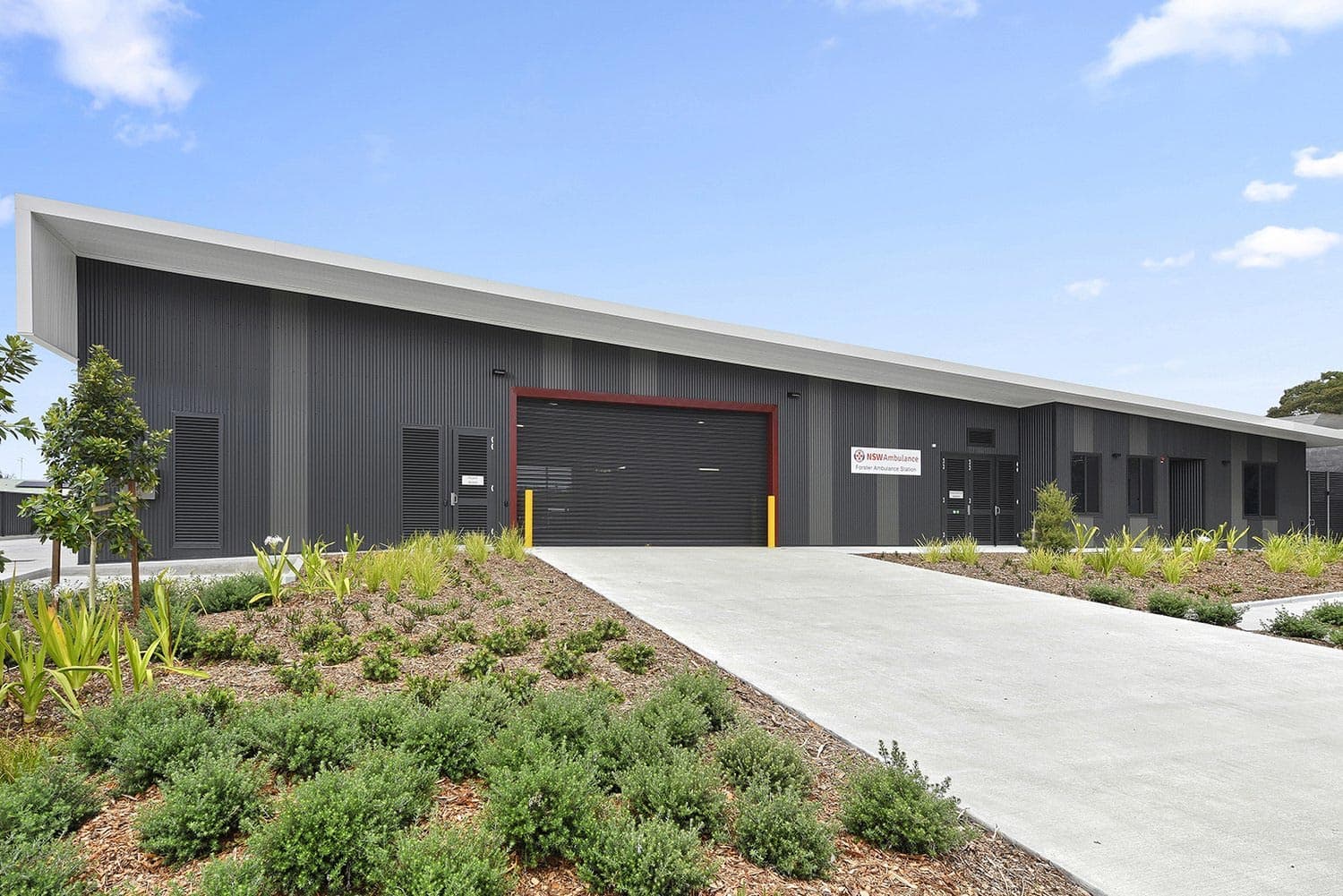
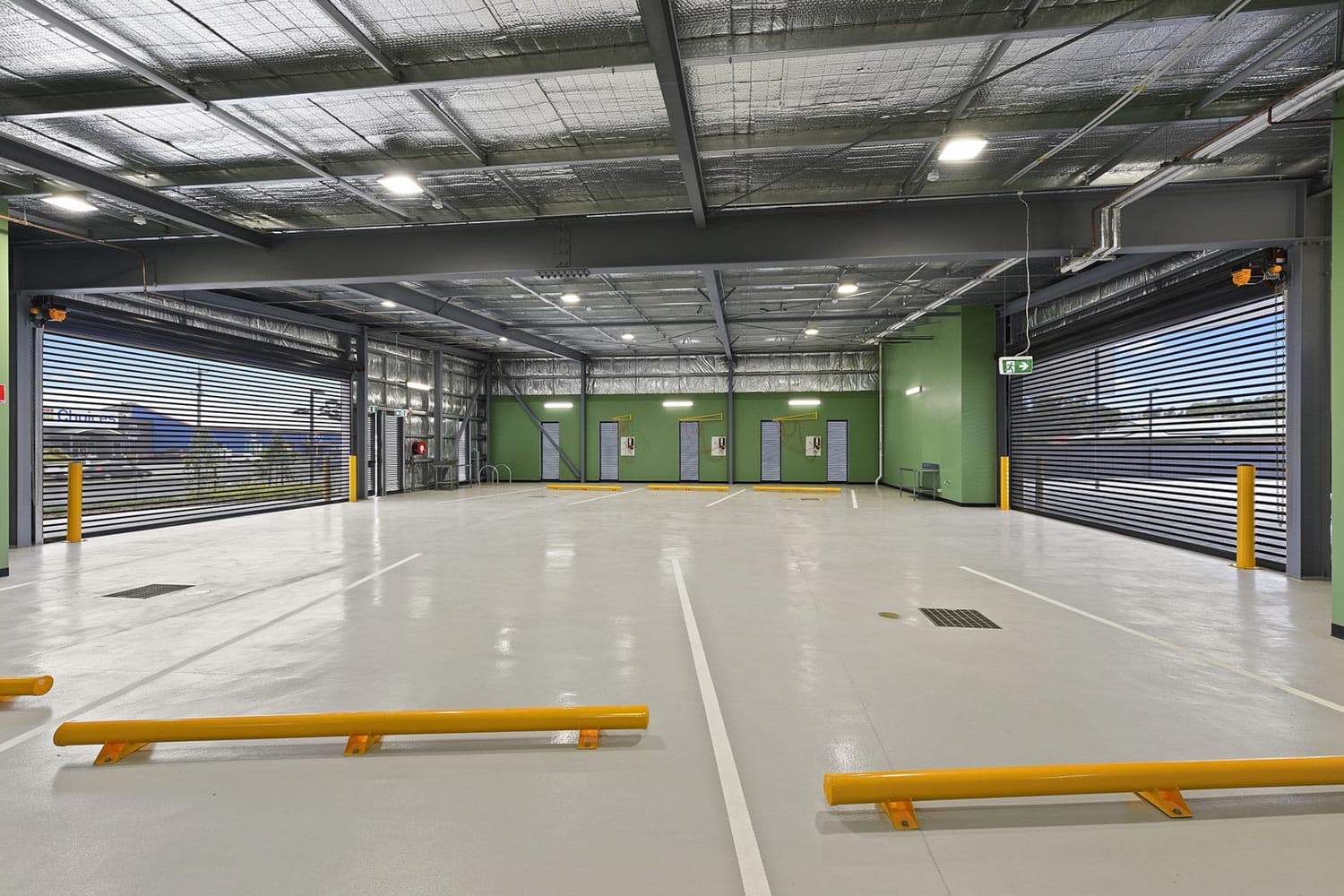
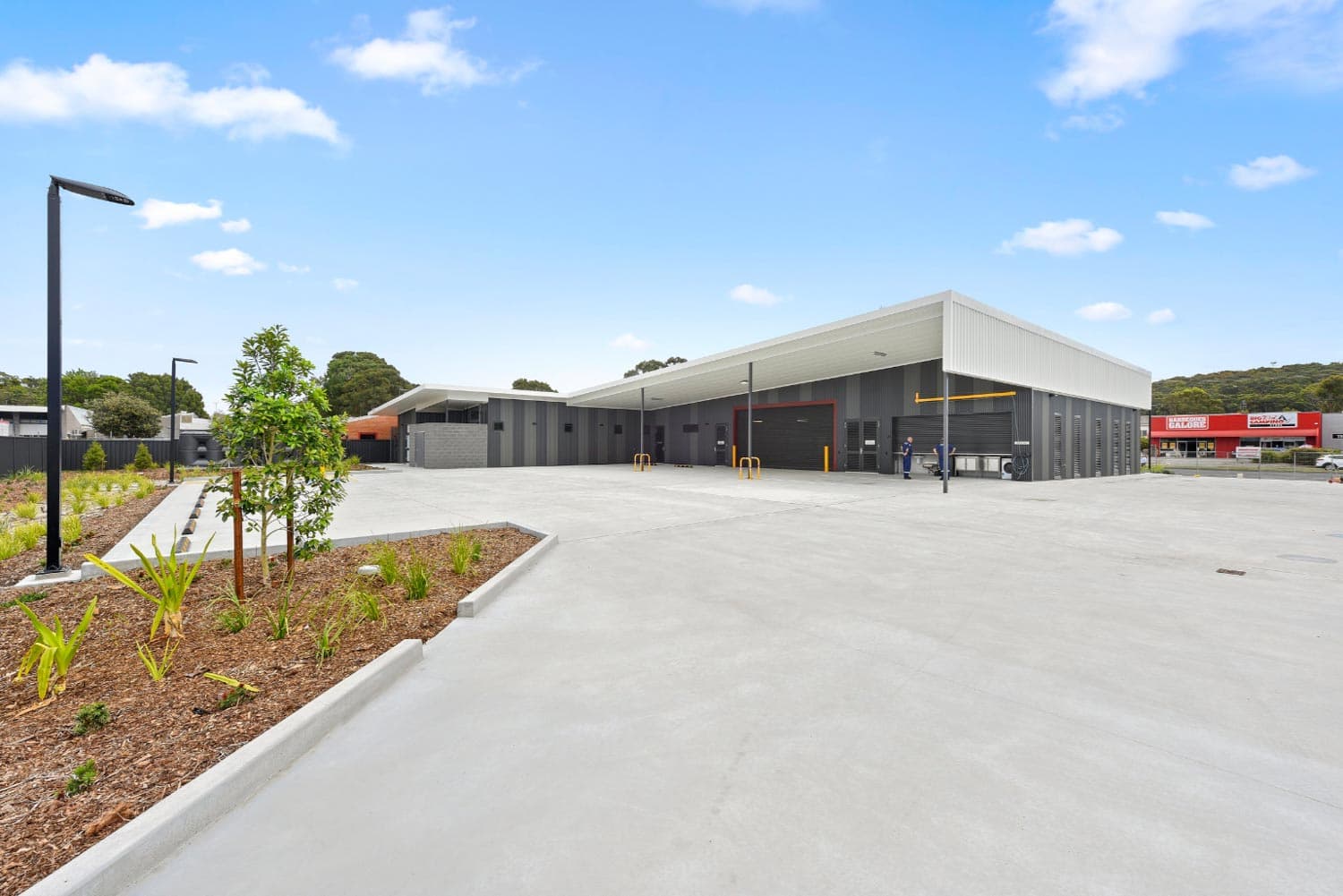
The RAIR programme is a NSW Government initiative delivering new ambulance stations across regional and rural communities, ensuring paramedics work from fit-for-purpose facilities that support rapid emergency response. The programme used modular construction to standardise delivery, reduce build times, and maintain quality across dispersed sites. I managed two stations under the programme: Birmingham Gardens at Nash Street, Wallsend, and Pottsville on the Far North Coast.
The Challenge
Delivering infrastructure across multiple regional sites under one programme requires balancing standardisation with local reality. Each site had its own constraints. At Birmingham Gardens, the challenge was finding a viable site, which I resolved through a land-sharing arrangement with Hunter New England Health, repurposing unused hospital land and creating a shared car park that benefited both facilities. At Pottsville, there was no town sewer, so we needed a field irrigation system for wastewater. The inclusion of overnight staff quarters also introduced a separate BCA building classification, creating fire separation challenges at the interface between the residential component and the warehouse-classified ambulance bays.
My Approach
I managed each station from inception through to handover to regional delivery teams. That meant identifying and acquiring sites in partnership with real estate specialists, securing planning approvals, whether Development Applications or Crown Certificates depending on the site's status, and coordinating with architects to adapt the modular building system to each location's operational and contextual needs. Stakeholder management spanned local councils, NSW Ambulance, Health Infrastructure NSW, and at Birmingham Gardens, Hunter New England Health. My focus was on ensuring design integrity, regulatory compliance, and site readiness were locked down before handing off to construction teams.
The Outcome
Both stations were completed and are now serving their communities. The Birmingham Gardens station stands as a genuine shared-use outcome, a creative land solution that benefits both emergency services and the local health district. Pottsville's unique constraints around sewer, BCA classification, and overnight accommodation were all resolved within the programme's modular framework. This programme taught me how to solve site-specific problems without losing sight of programme-wide consistency, a skill that directly informs how I manage multi-site and multi-stakeholder projects at Yaxley Studio.