
Portfolio CV · Commercial — Heritage Adaptive Reuse
183–185 Clarence Street — Substation No 164
Category
Commercial — Heritage Adaptive Reuse
Location
183–185 Clarence Street, Sydney CBD NSW
Size
$50m
Year
2017
Portfolio CV: Noel Yaxley worked on this project as Architect at FJMT Studio. It is shown as part of his individual project experience, not as a Yaxley Studio project.
The Project
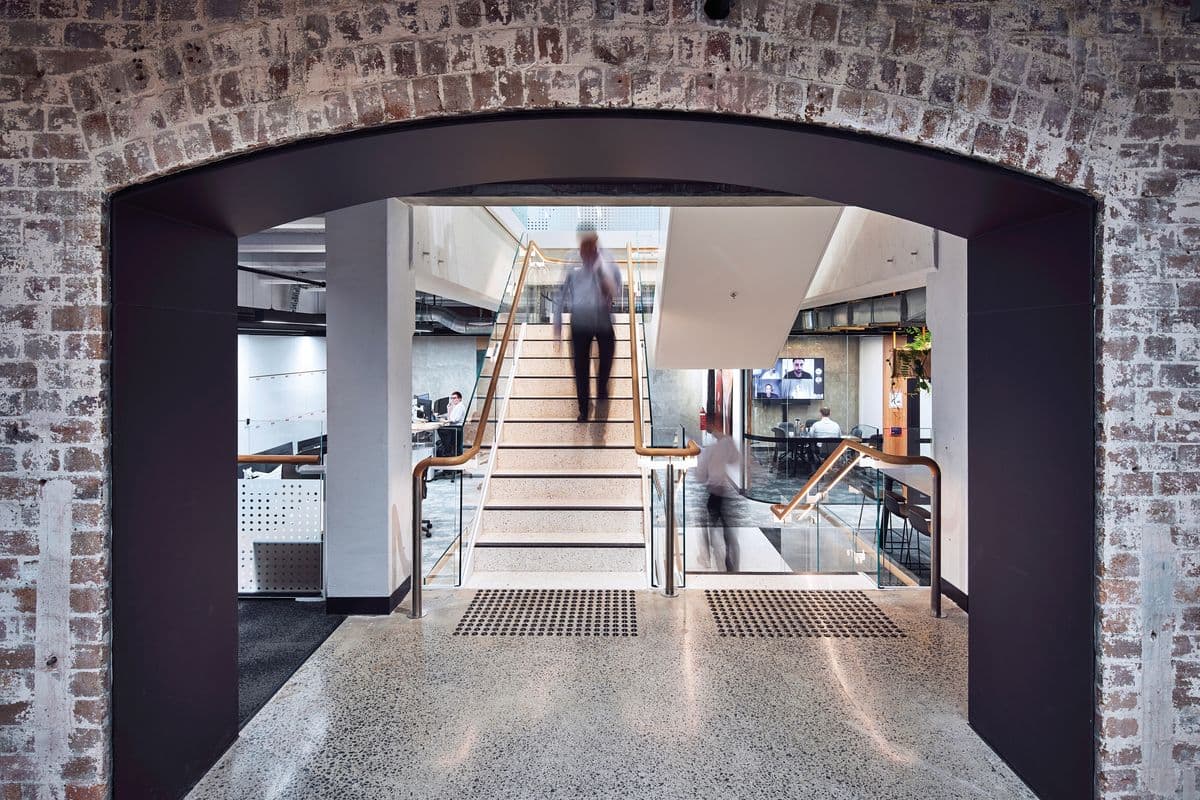
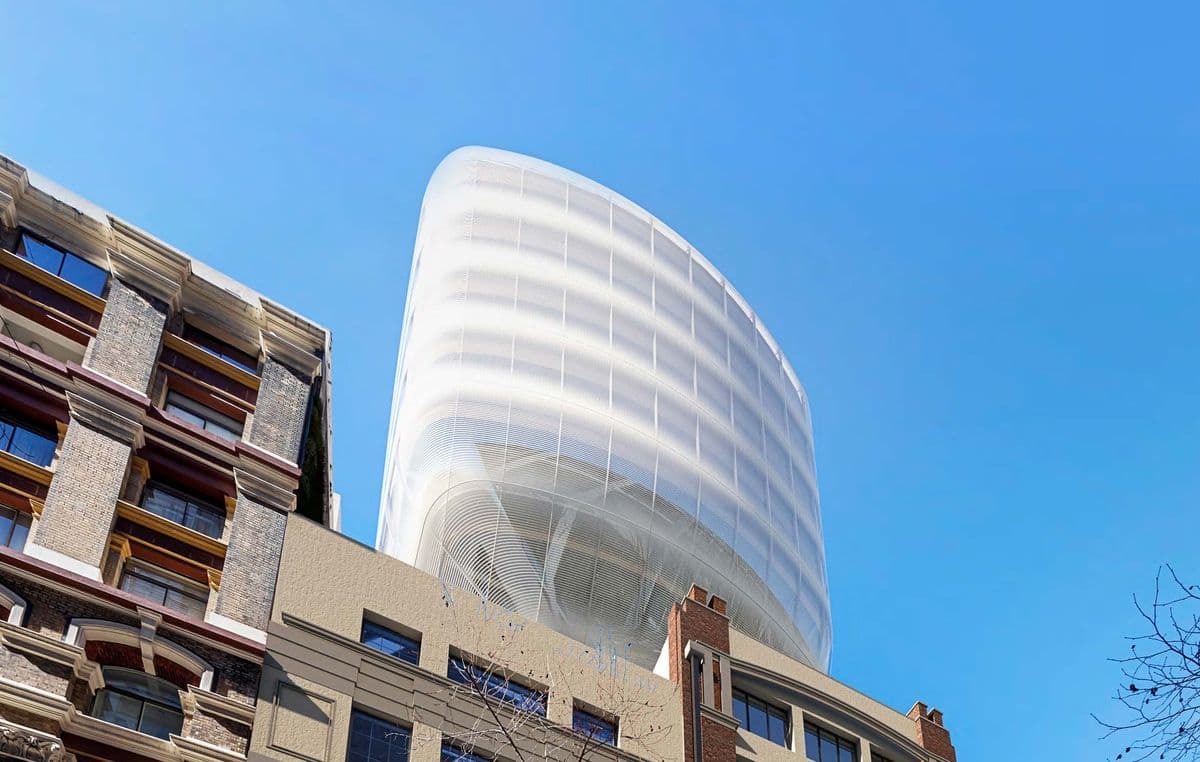
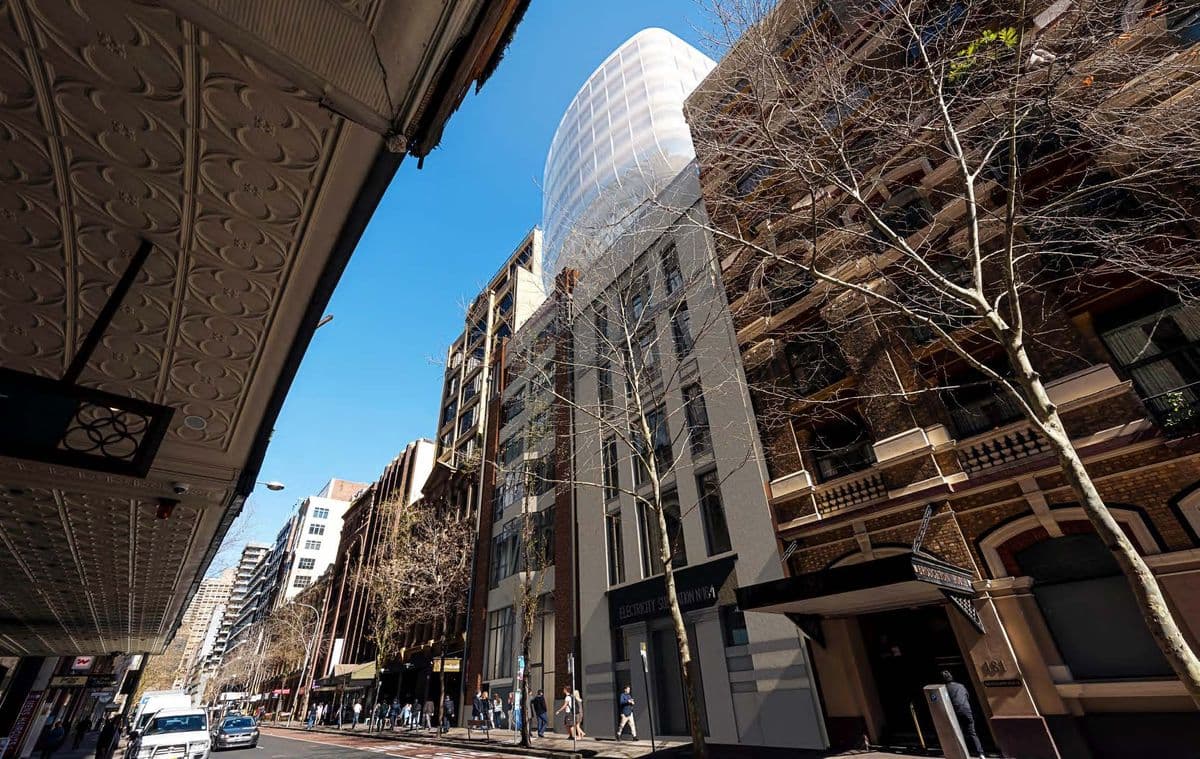
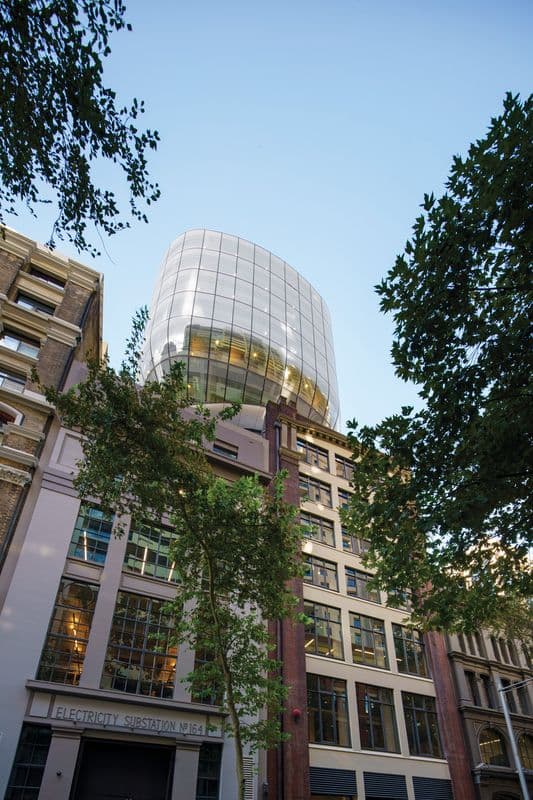
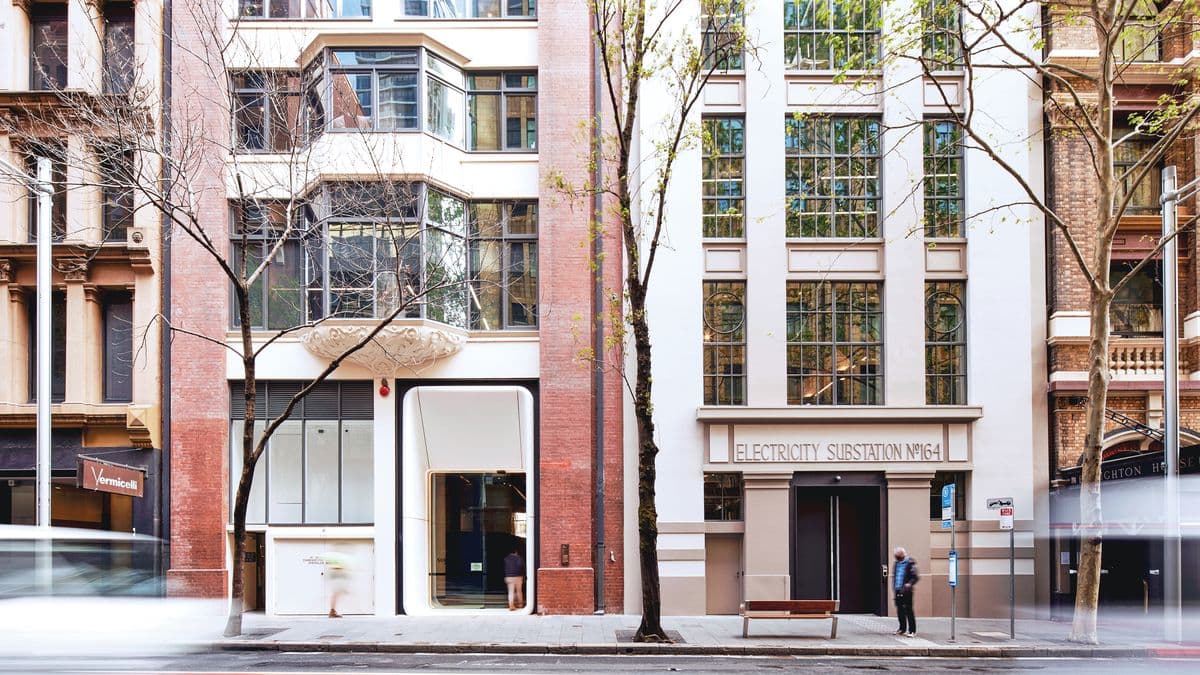
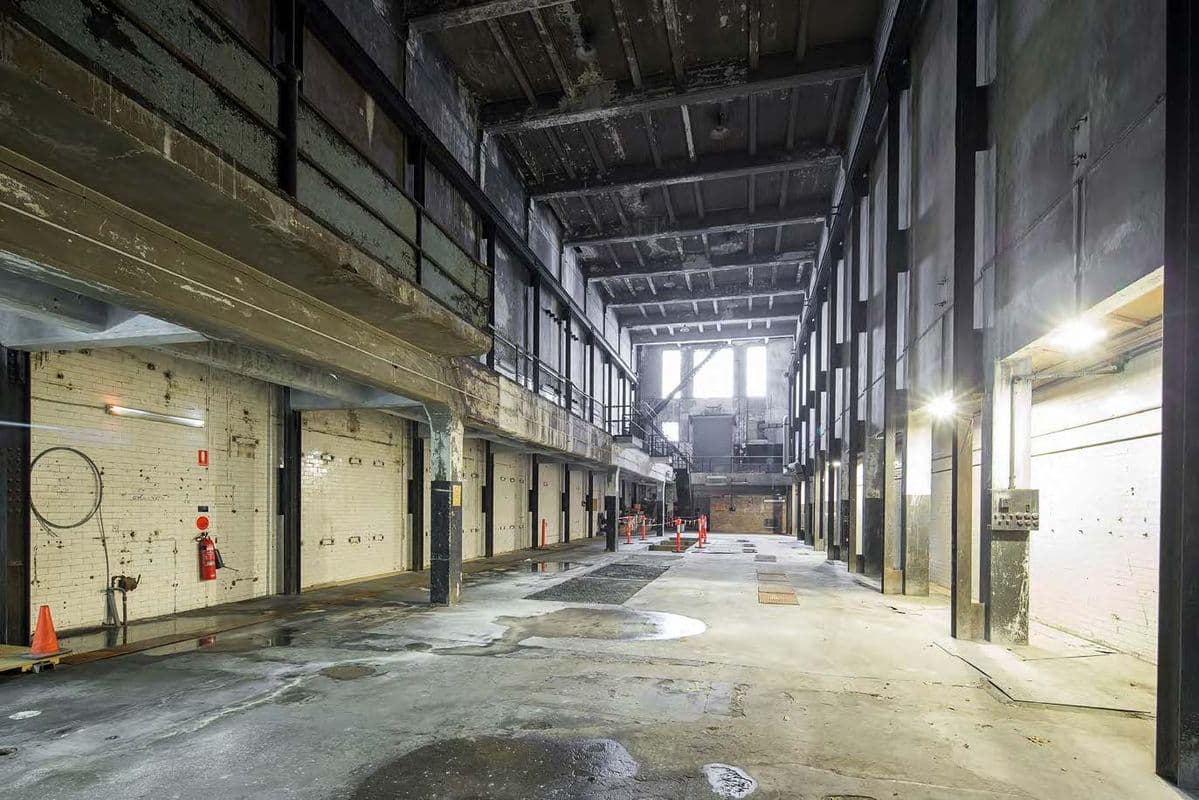
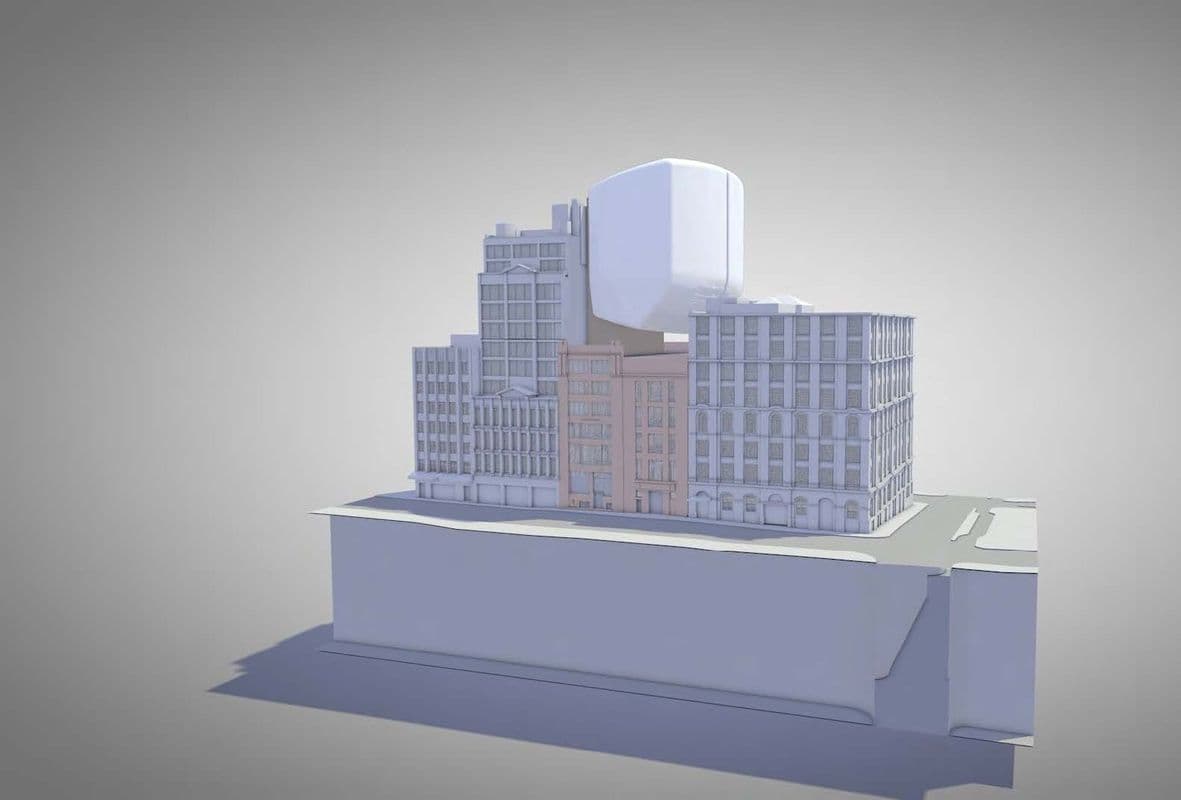
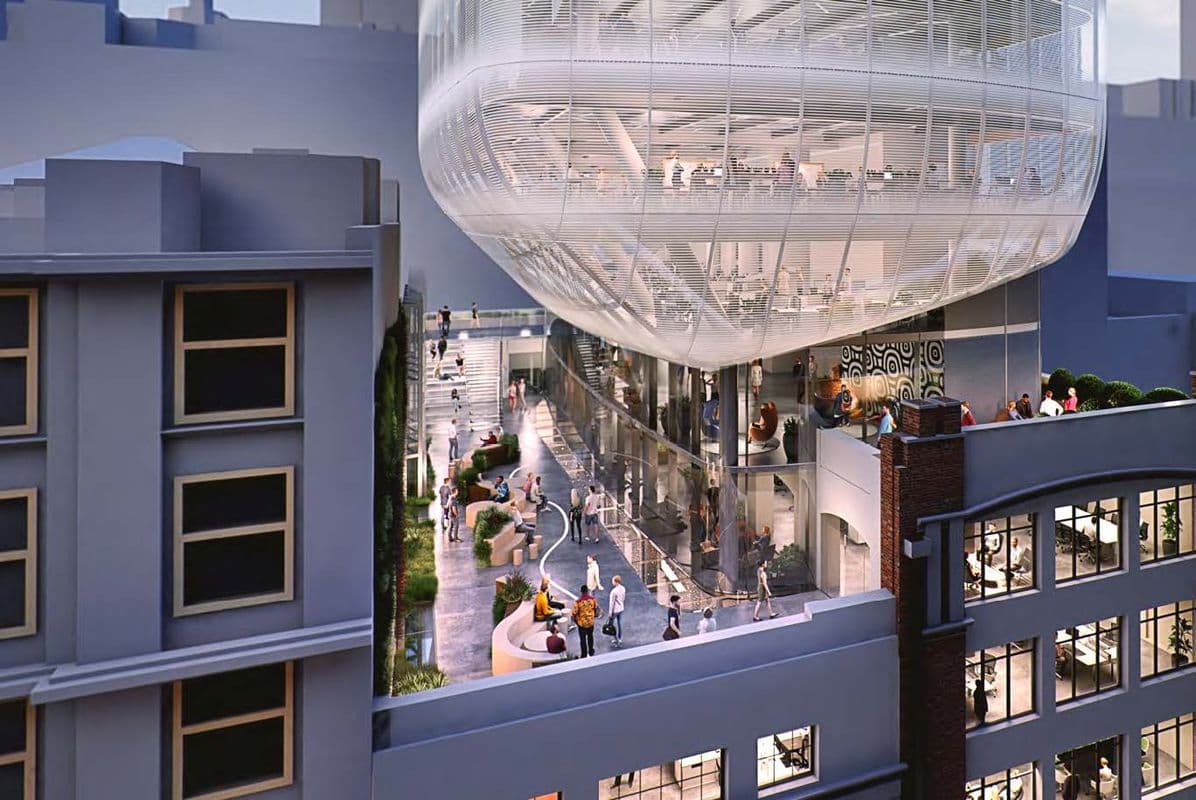
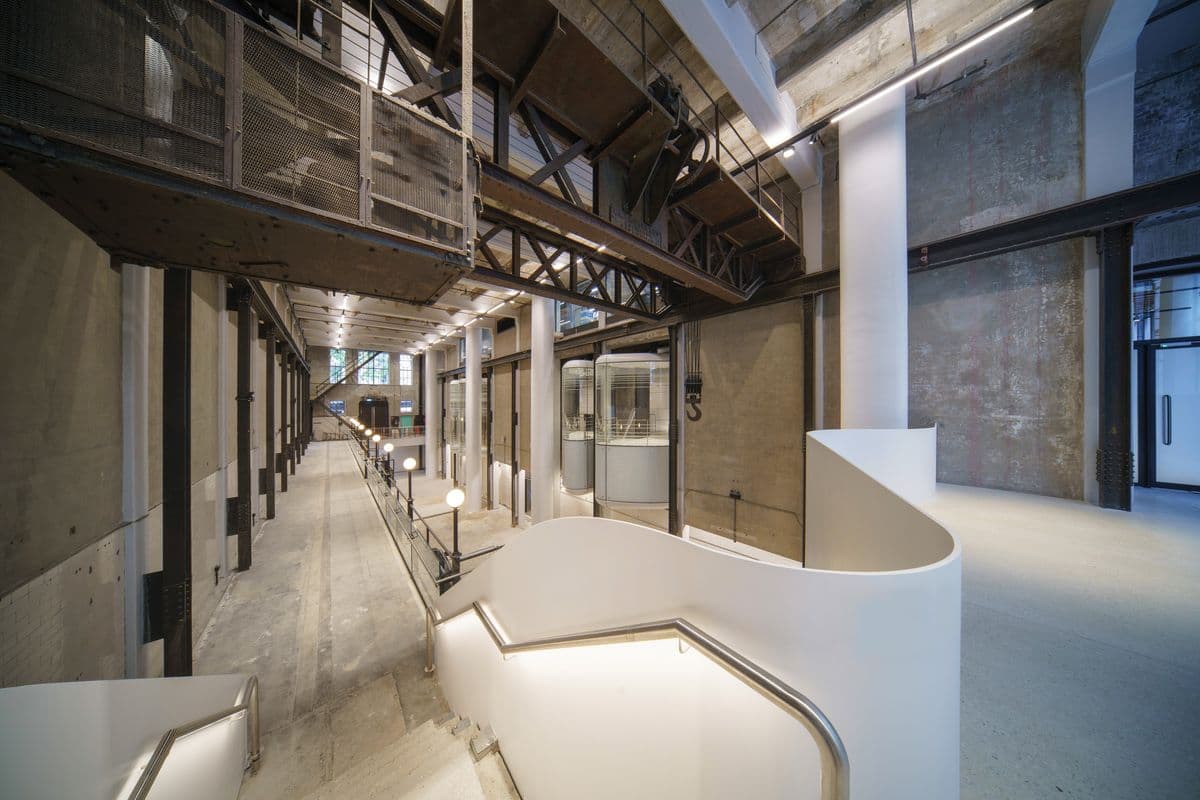
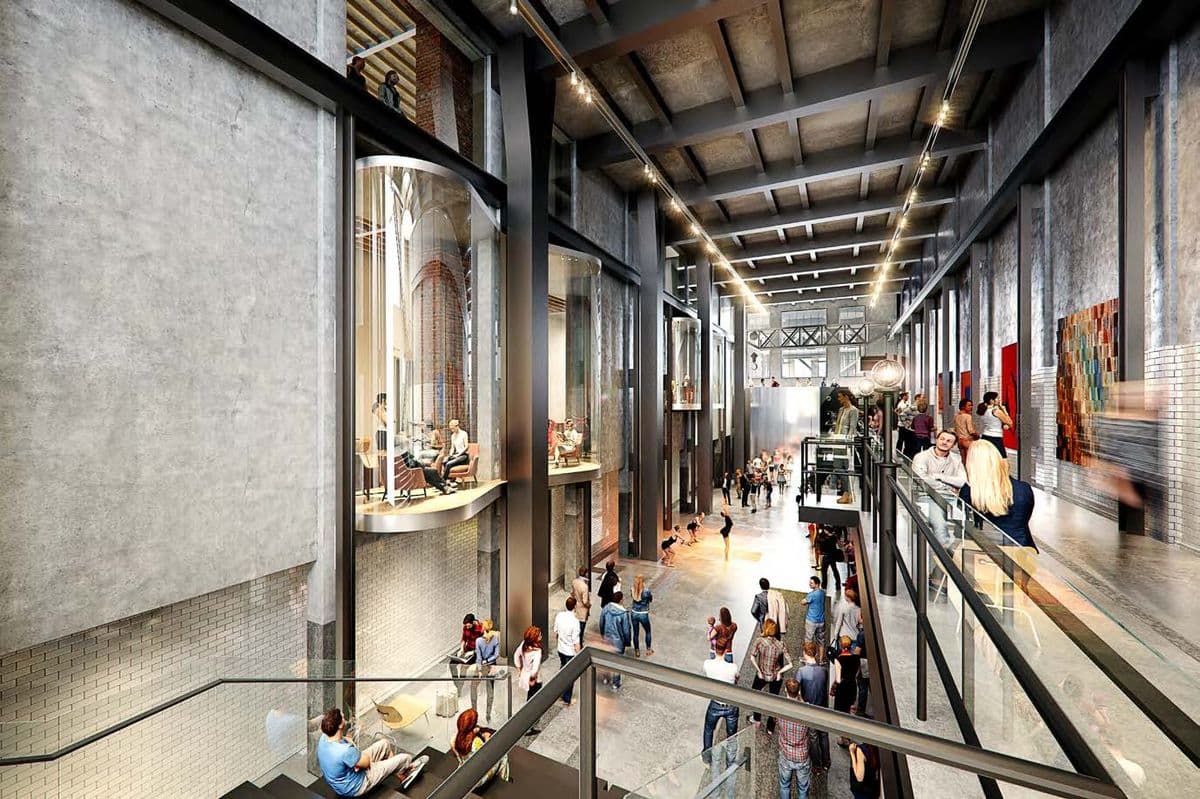
183–185 Clarence Street pairs two significant heritage buildings, the Shelley Warehouse (1909) and Electricity Substation No 164 (1924), with a curvaceous glass addition that appears to float above the heritage streetscape. The project delivered eight new levels of A-grade office space while preserving the substation's remarkable Machine Hall, a double-height industrial space unique within central Sydney. Built occupied four floors as their Sydney headquarters before selling the completed building for $180 million.
The Challenge
The heritage significance of both buildings meant that any proposal had to demonstrate genuine reverence for the existing fabric. The competition brief required the Machine Hall to be retained and activated as a publicly accessible space, not absorbed into private tenancies. Beyond the heritage sensitivity, the structural engineering was formidable: the entire upper structure balances on a single lift core and four columns that penetrate the existing buildings, with cantilevered steel floors creating the sense of buoyancy that defines the design.
My Approach
I worked as Project Architect across two critical phases, the design competition and the subsequent DA. During the competition, I helped develop and document the concept design, coordinated the consultant team including heritage consultants and structural engineers, and prepared the stakeholder presentations that secured the win. The DA phase required detailed resolution of the heritage integration, consent conditions, and the complex structural coordination needed to support new construction above existing load-bearing masonry. I spent significant time navigating Heritage Council requirements and managing the interface between architecture, structure, and heritage disciplines.
The Outcome
The completed building achieved 5-star Green Star and NABERS ratings, with Built's own fitout reaching 6-star Green Star and WELL Platinum certification. The adaptive reuse strategy delivered a 24 per cent reduction in embodied carbon compared to a new-build equivalent. More than any metric, the project proved to me that heritage conservation and commercial development are complementary ambitions when approached with design rigour and careful coordination. The experience of winning the competition and delivering the DA gave me a foundation in heritage adaptive reuse and complex structural integration that I draw on constantly at Yaxley Studio.